
Human Rights Violations in Sindh: Enforced Disappearances and Extrajudicial Killings
Sindh, Pakistan, has for many years faced serious allegations of human rights violations, particularly in the form of enforced disappearances and extrajudicial killings. These practices have raised deep concerns among families of victims, civil society groups, and human rights advocates, who continue to demand accountability, transparency, and justice.
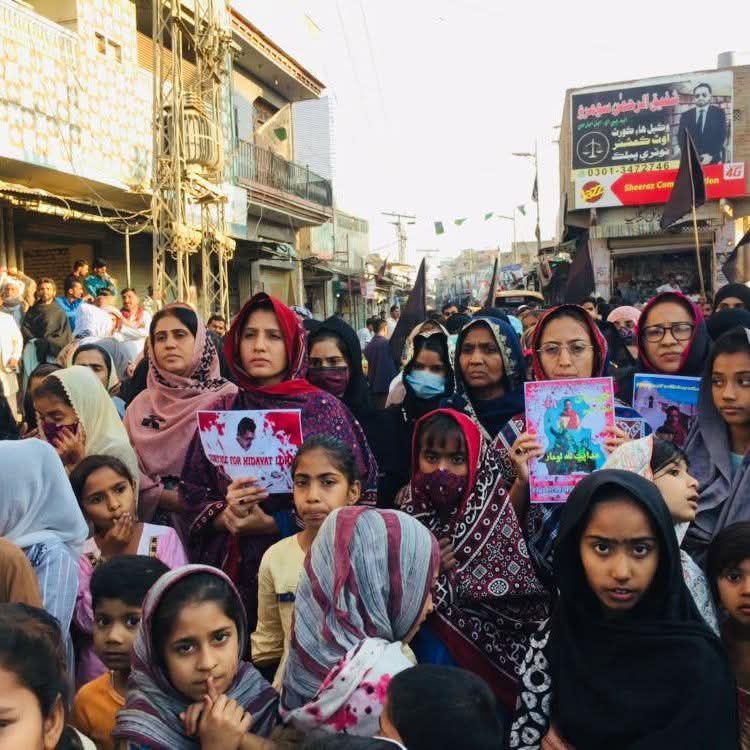
Enforced disappearances refer to situations where individuals are allegedly taken into custody or abducted by state-related actors, followed by a refusal to acknowledge their detention or reveal their whereabouts. In Sindh, numerous families have reported that their loved ones—often political activists, students, or individuals associated with nationalist movements—were taken without formal charges or due legal process. The uncertainty surrounding their fate leaves families in prolonged psychological distress, as they are unable to determine whether the missing person is alive, detained, or deceased.
Closely linked to these concerns are allegations of extrajudicial killings. These refer to cases where individuals are reportedly killed without judicial proceedings or fair trial. In many reported incidents, families and human rights observers claim that persons who were previously detained or missing later appear in “encounter” cases or are found dead under suspicious circumstances. Such cases raise serious questions about due process, accountability, and the rule of law.
The impact of these practices extends far beyond individual victims. Families of the disappeared often face economic hardship, social stigma, and emotional trauma. Many spend years seeking information, filing petitions, and appealing to courts or human rights bodies, often with limited results. The lack of clear legal remedies and slow investigation processes contributes to a growing sense of injustice and alienation.
Human rights organizations have repeatedly expressed concern over the absence of effective accountability mechanisms. Allegations of abuse are often difficult to investigate independently, and victims’ families frequently report intimidation or pressure when attempting to pursue justice. This situation weakens public trust in institutions and raises broader concerns about the protection of constitutional and human rights in the region.
Ultimately, the issues of enforced disappearances and extrajudicial killings in Sindh highlight the urgent need for stronger rule of law, independent investigations, and respect for due process. Ensuring justice for victims and their families is essential not only for human rights protection but also for restoring trust between the state and its citizens.